
Werther's Descent into Despair
The Sorrows of Young WertherThis flow traces the accumulating pressures that turn Werther's emotional distress into an irreversible decision.
increasing Bearing strength in each event
 decreasing
Bearing strength in each eventdecreasingRestlessness Recognized

A Vulnerable Temperament
Rapid transitions
Werther describes a heart that moves suddenly between sorrow, joy, and violent passion. He knows that his feelings are difficult to control, even while he treats them as a source of vitality.
A warning without remedy
His self-awareness does not become a plan for restraint. Instead, it becomes part of the romantic identity he values, leaving emotional intensity largely unchallenged.
The Attachment Deepens
Pleasure Turns Dependence
A daily source of joy
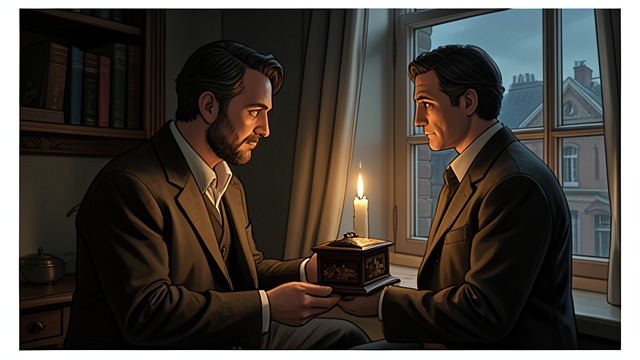
Werther organizes his days around chances to see Lotte and finds meaning in even small contact. Her music can dispel his suicidal gloom, showing how much his stability now depends on her.
No alternative support
He knows she is engaged but keeps returning to her. The more his happiness depends on one person, the less able he becomes to imagine a life outside that attachment.
The Court's Humiliation

Pride Injured
Exclusion remembered
Werther is asked to leave Count C—'s gathering because of his rank. Others' gossip makes the event continue after the actual departure.
A second source of distress
The humiliation adds social rejection to romantic pain. Werther's world narrows further as both intimate attachment and public belonging seem beyond his control.
The December Crisis

A Breaking Point
Music becomes unbearable
Werther hears Lotte play the air that once comforted him and can no longer bear its effect. The music brings back former happiness together with the pain of his present exclusion.
Energy spent
He leaves in agitation and says he cannot endure his condition. The loss of a former source of comfort marks a decisive change: even the experiences that once soothed him now intensify despair.
The End Chosen
A Fixed Decision
Separation interpreted as final
Werther decides that one of the three people in the triangle must die, and assigns that death to himself. He presents the thought as calm conviction after a night of distress.
Preparation for death
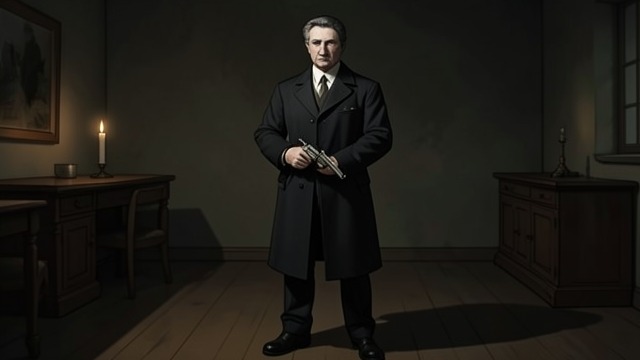
He gives away money, settles papers, and borrows the pistols. Practical arrangements make the decision immediate, while his letters continue to romanticize its meaning.
May, early in Book I
July, after Lotte becomes central to his days
March, after the aristocratic gathering
December 4, before the final encounter
December 21, after Lotte sets a boundary
